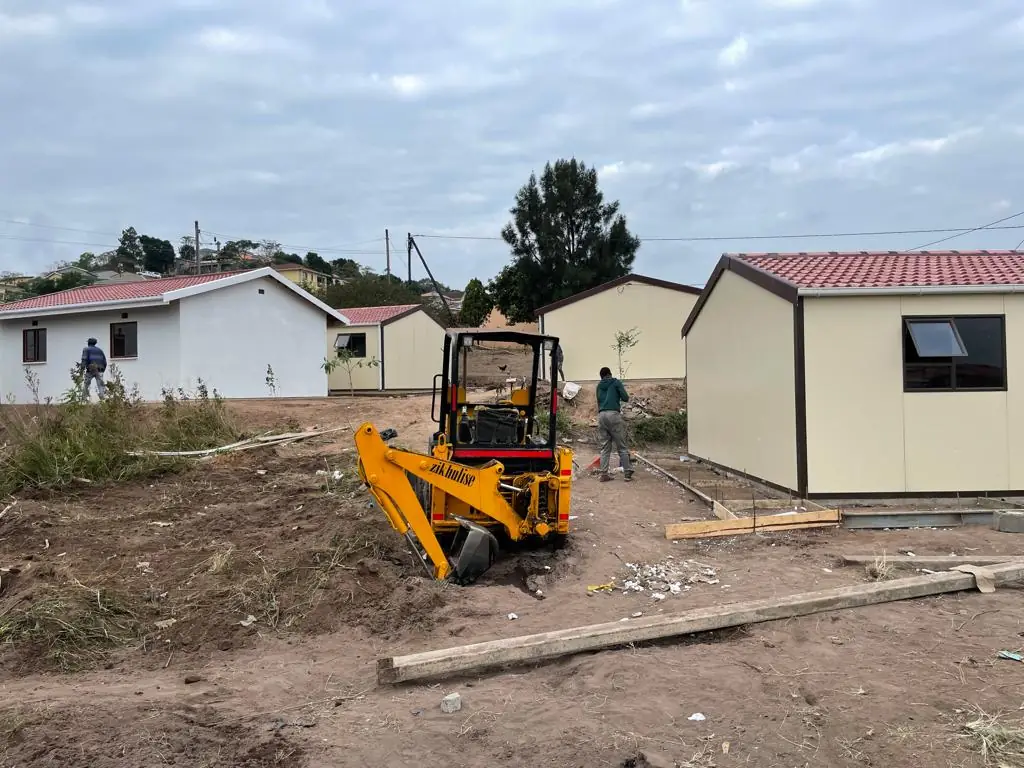
A SHACK REPLACEMENT YOU CAN ACTUALLY SCALE
Corrugated iron was never meant for habitat — it's inhumane for a family to call a sheet of tin home. We're piloting portable, modular homes in Kya Sand, built off-site, assembled in days, and designed from the start to be reproduced by the hundred rather than admired by the one.
THE MATH OF A
SHACK
A shack costs almost nothing to build and everything to live in. One fire takes a row of them in minutes, and the family that rebuilds rebuilds the same thing — because the same thing is all that's available. Relief work, ours included, is money spent repeatedly on the consequences of a structure nobody would choose.
Our relief programmes will keep running. But the only version of this work that ends is the one that replaces the structure itself.
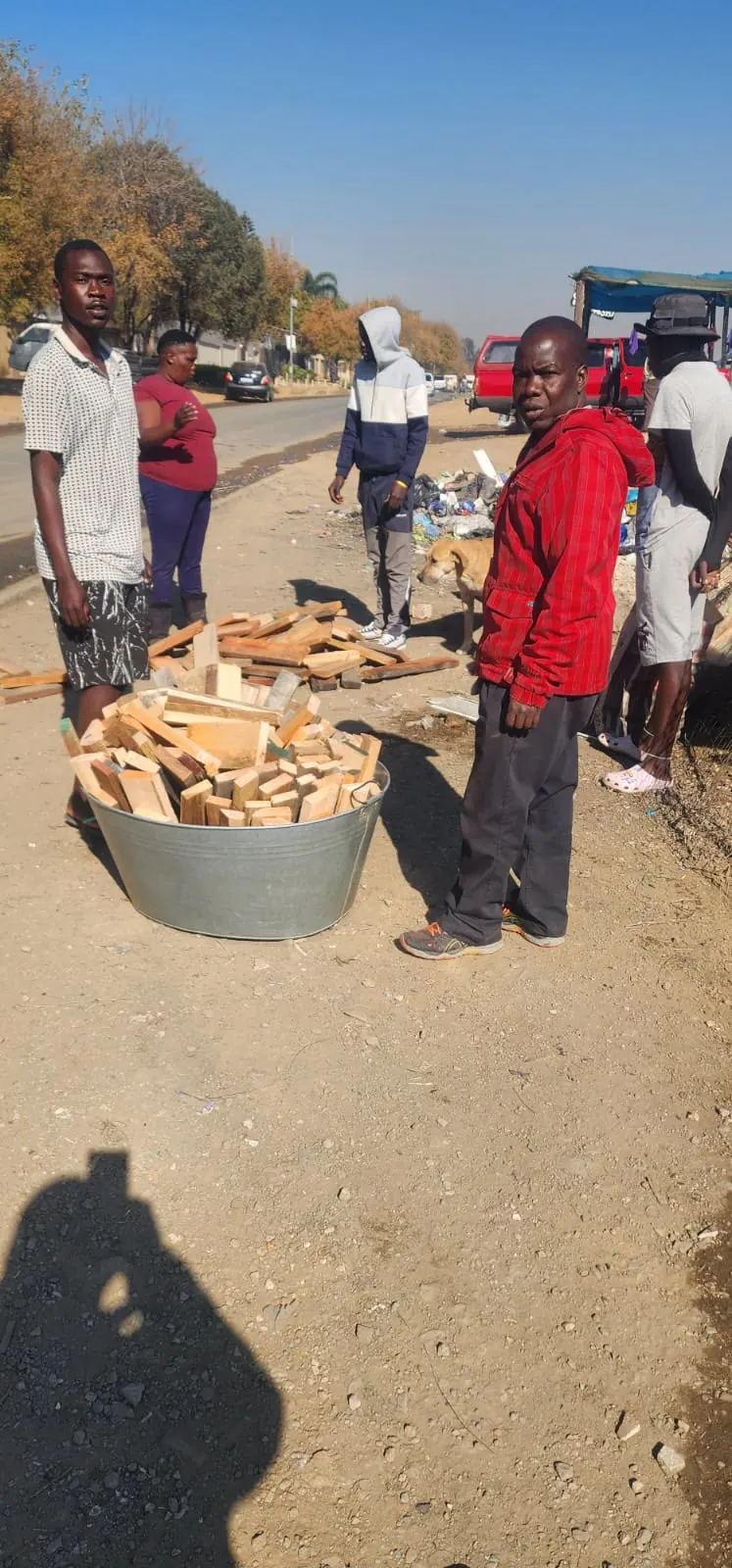
THE UNIT
Manufactured off-site, delivered flat, assembled on site in days. Relocatable, because tenure in a settlement is rarely permanent and a home that can't move becomes a home that gets abandoned.
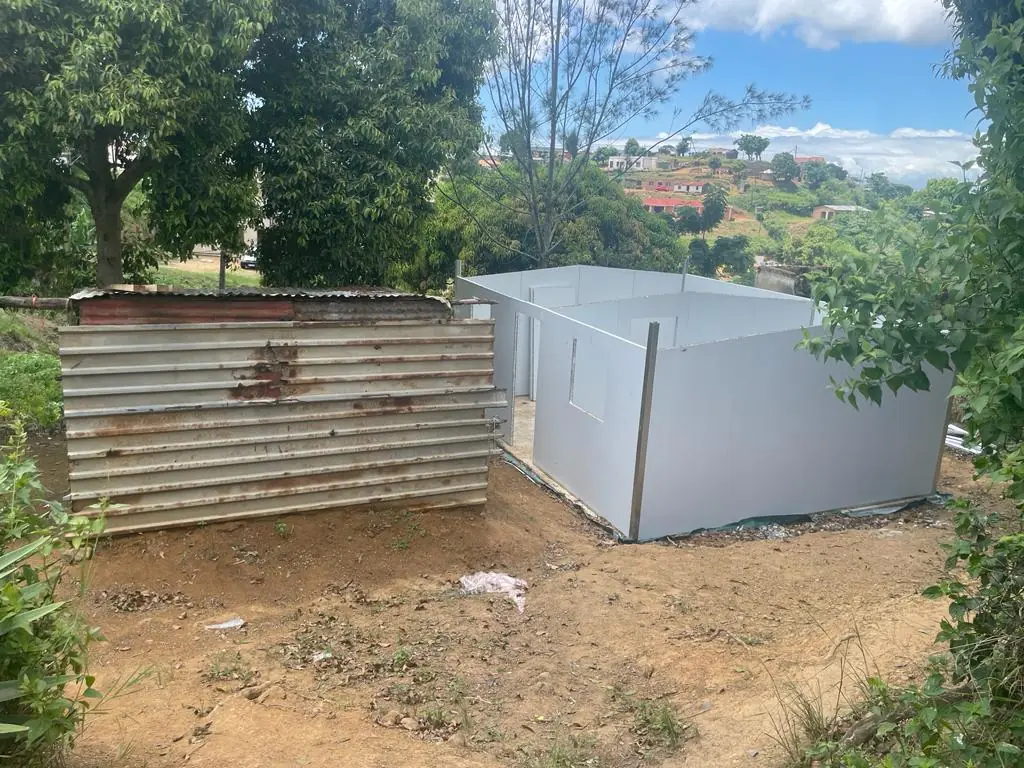
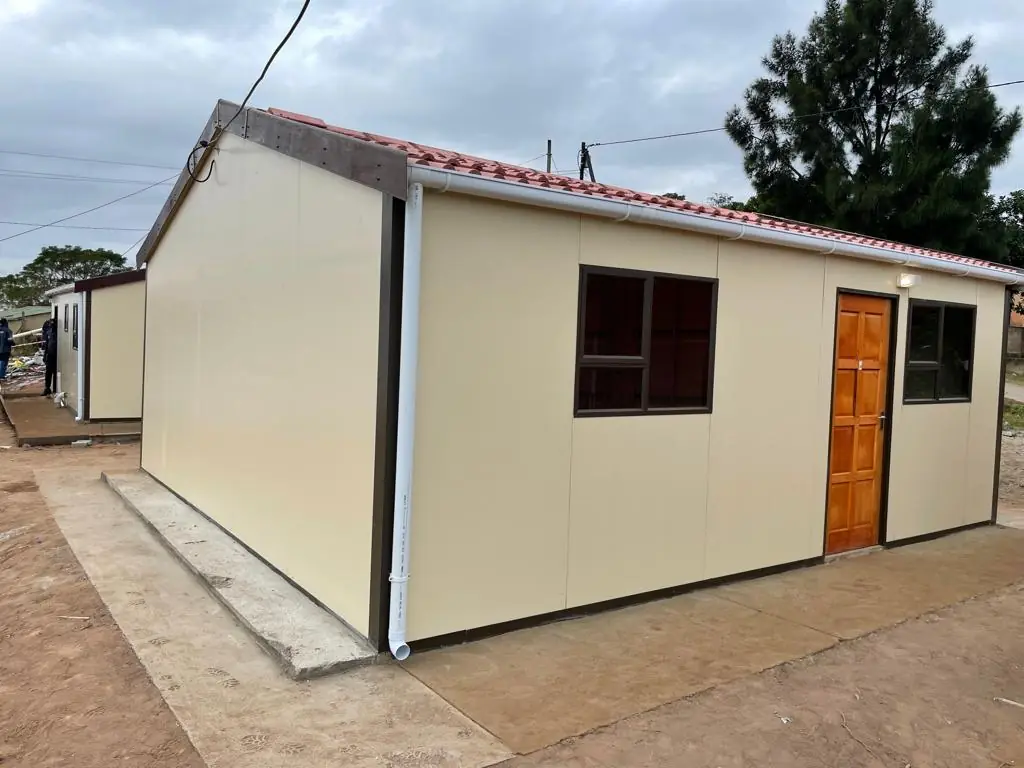
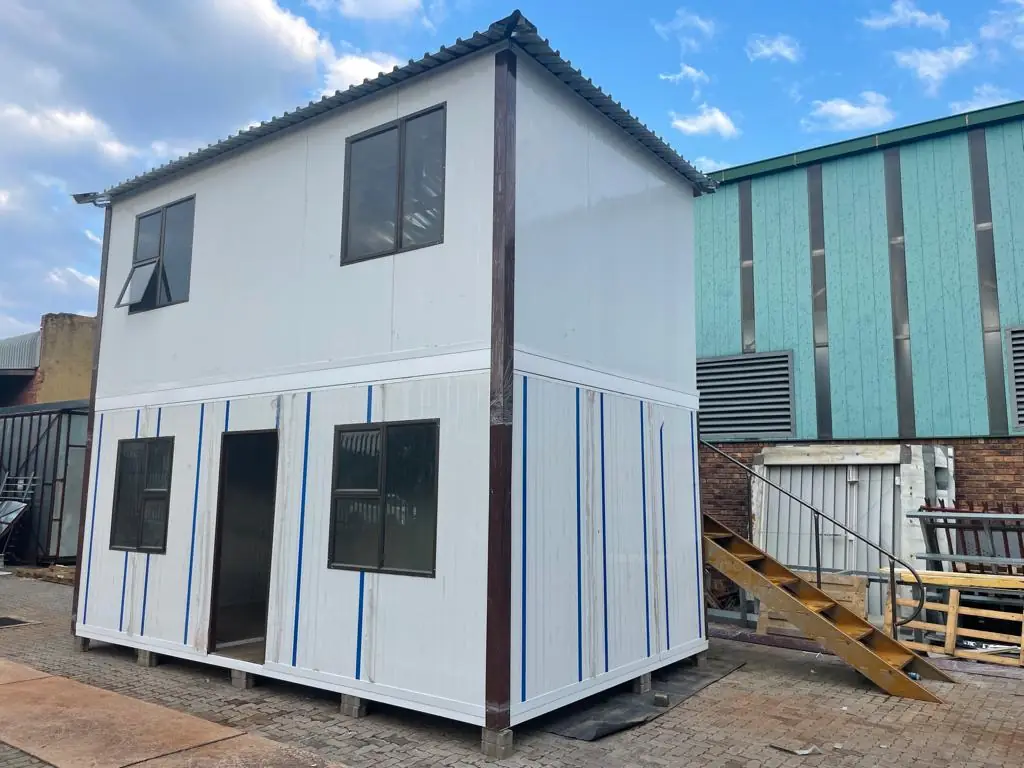
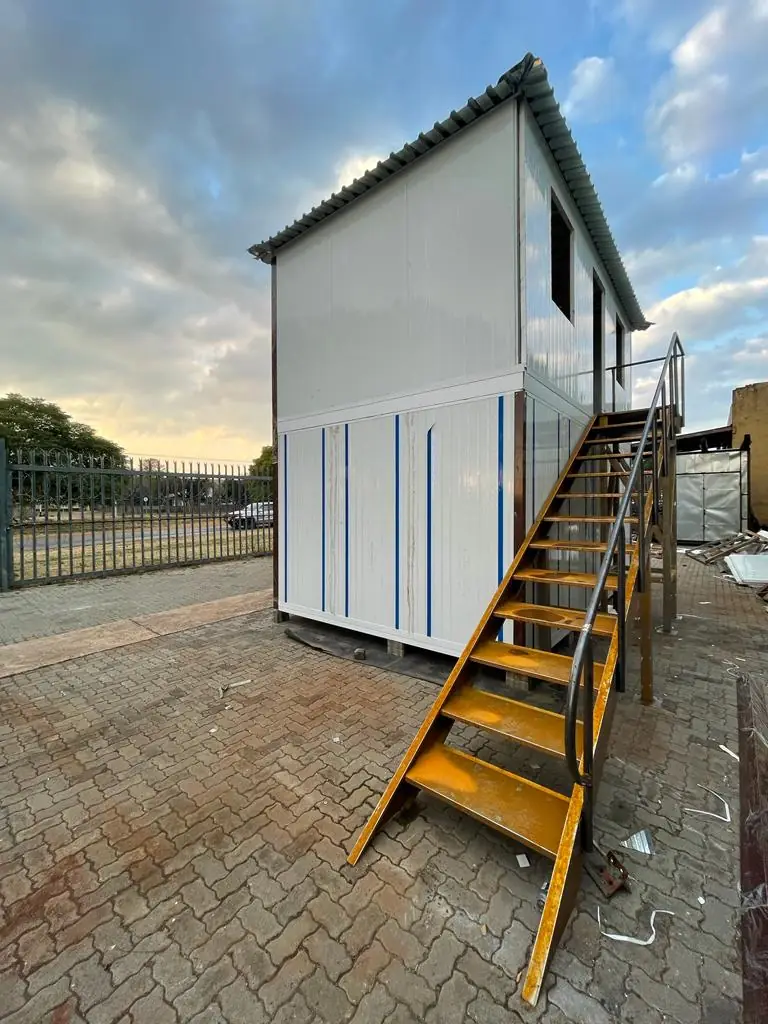
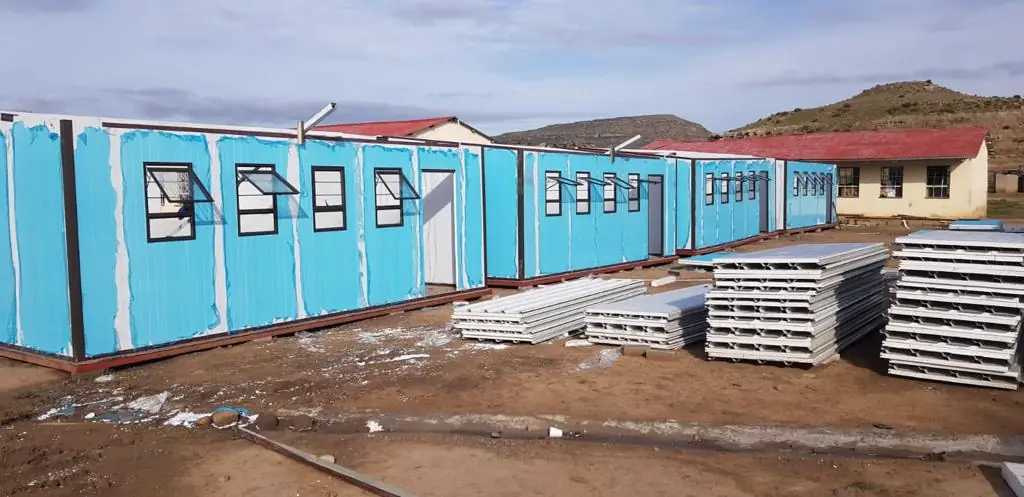
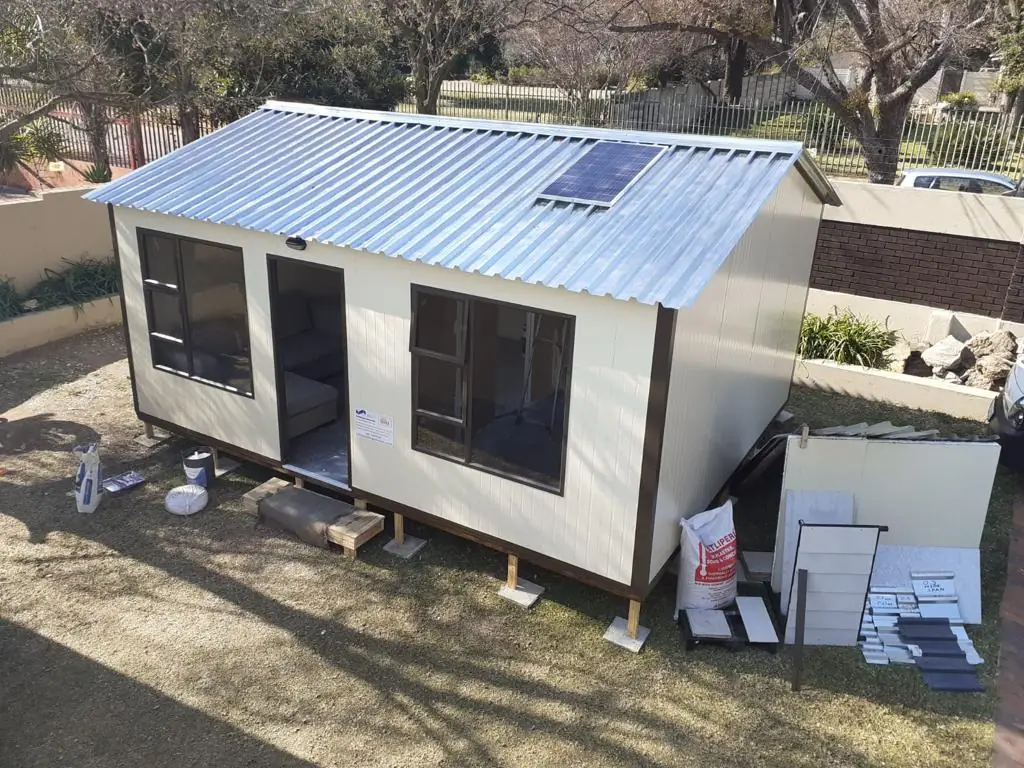
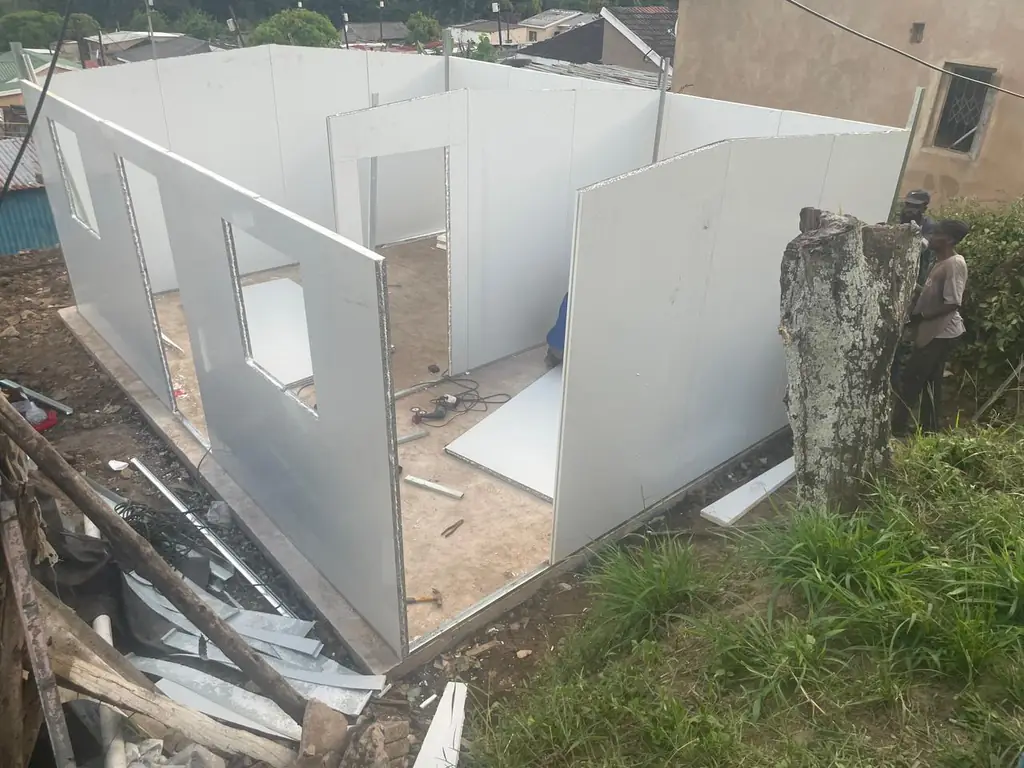
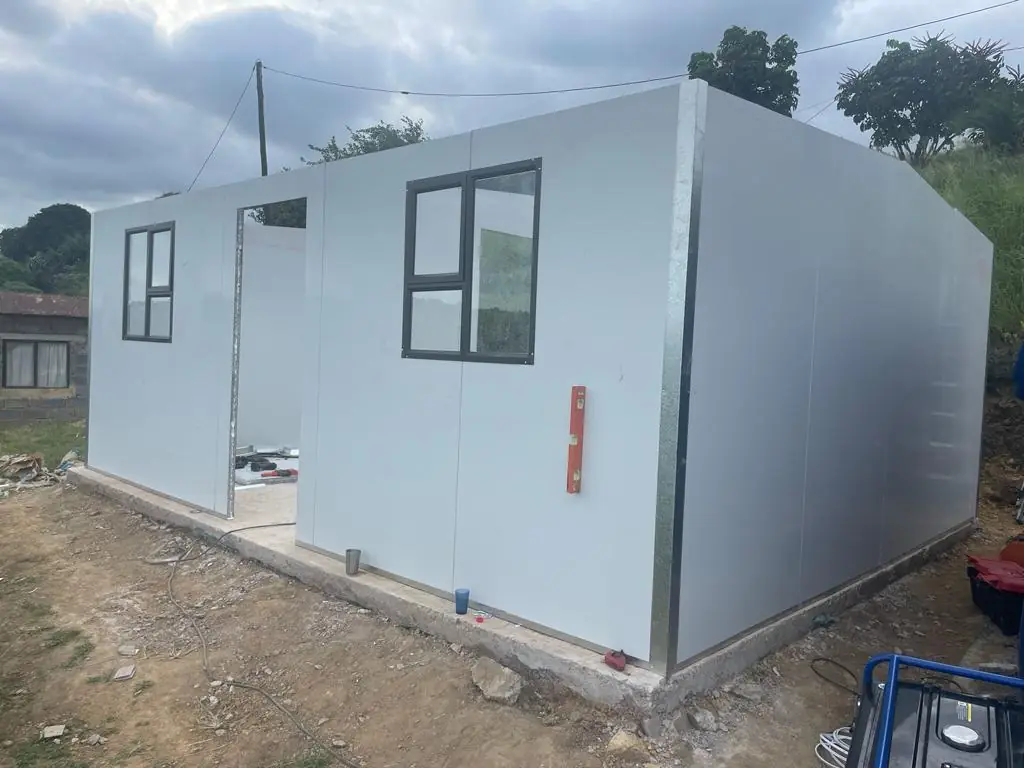
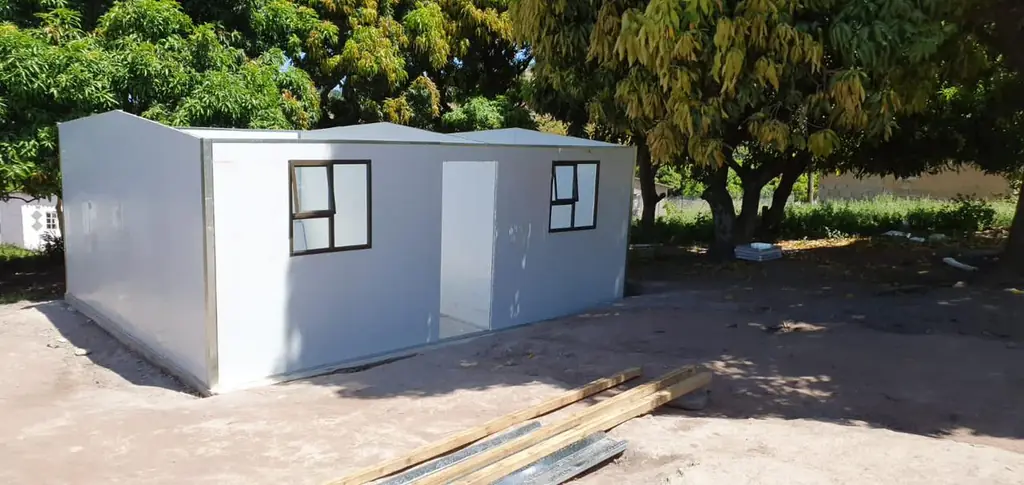
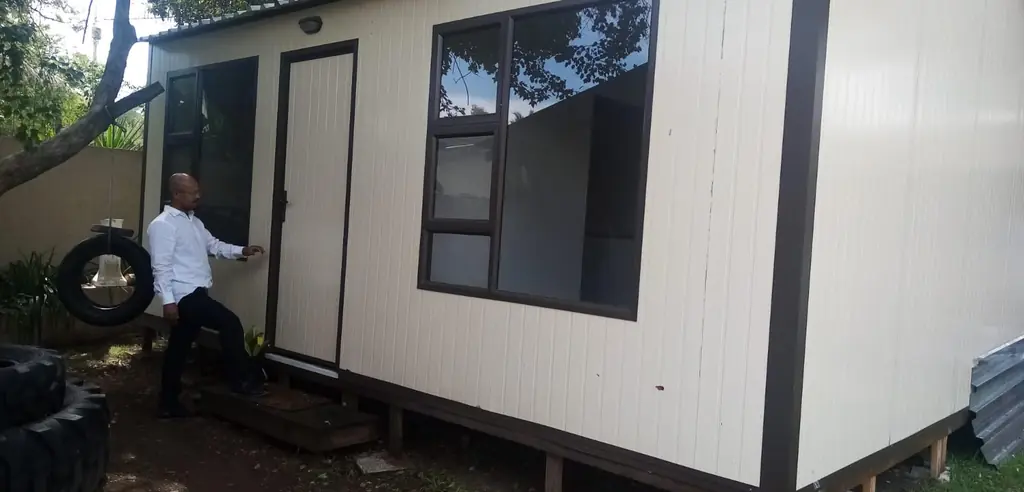
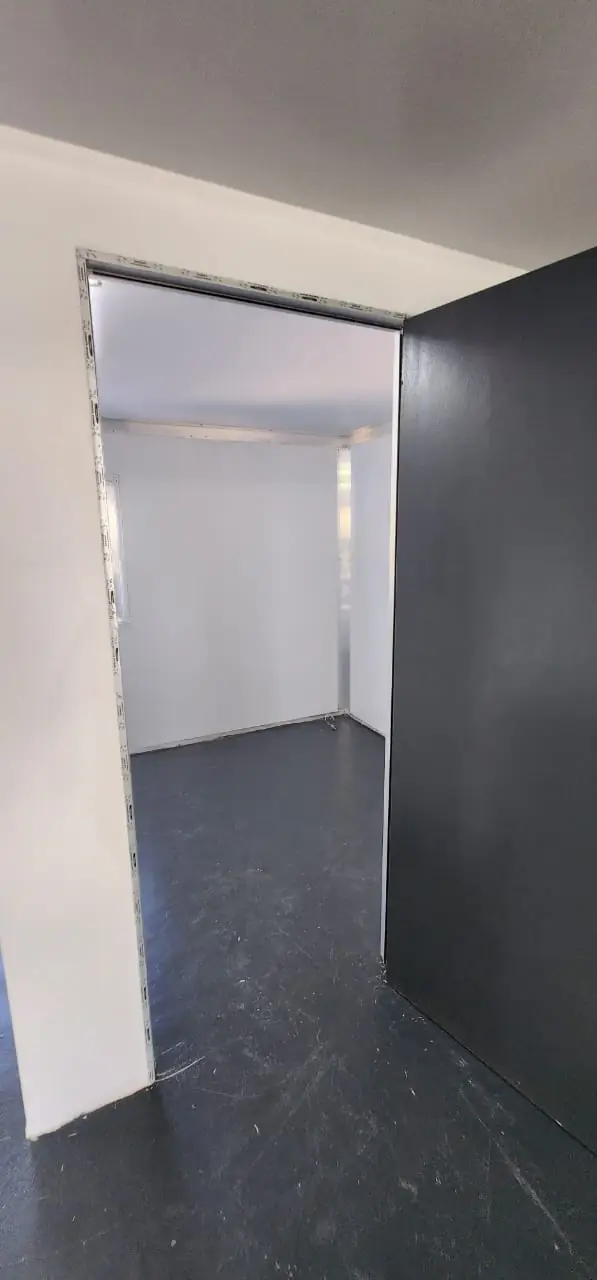
Panel joints finished square, not caulked over
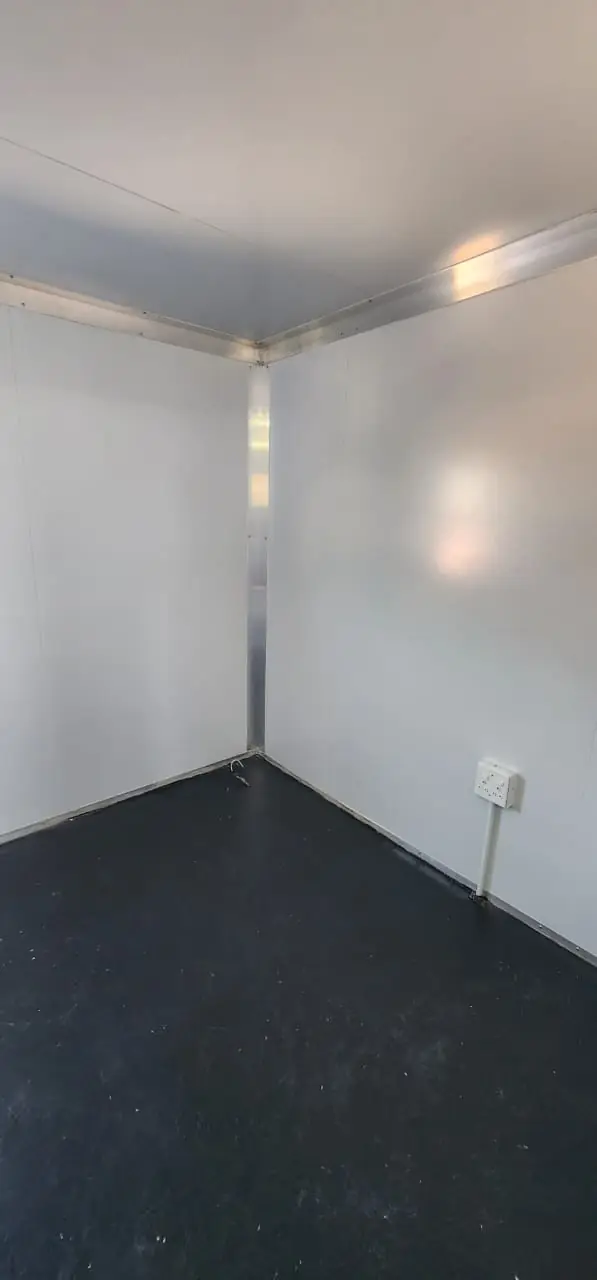
Wired for power, not just plumbed for later
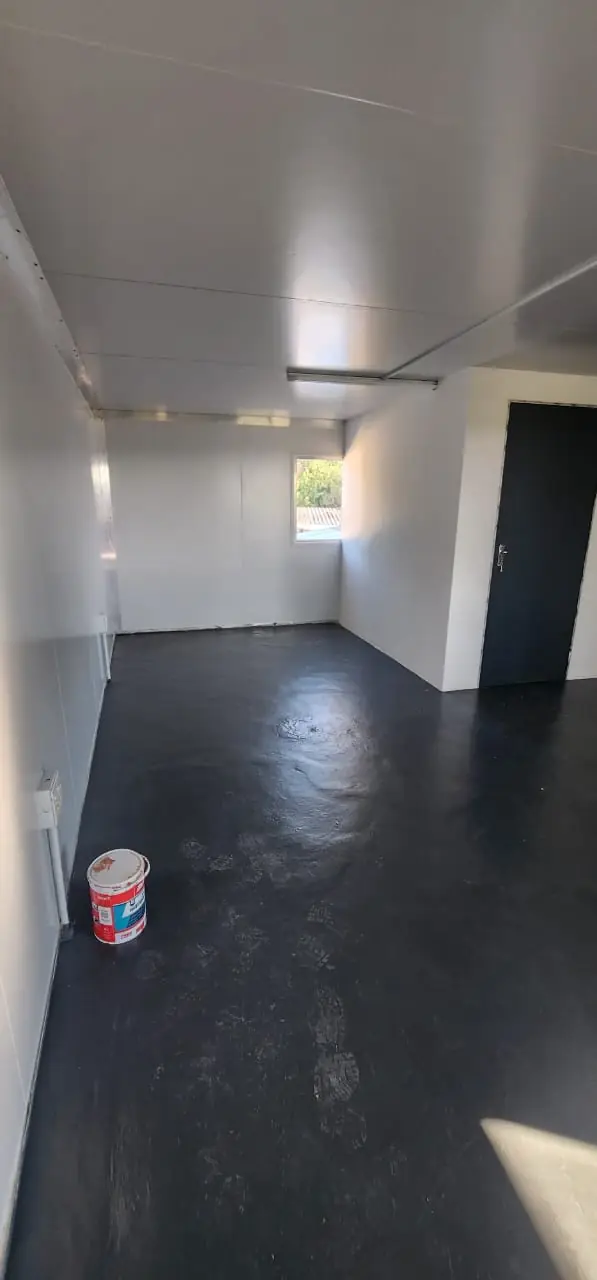
Screeded floor, ready for a family to finish as they choose
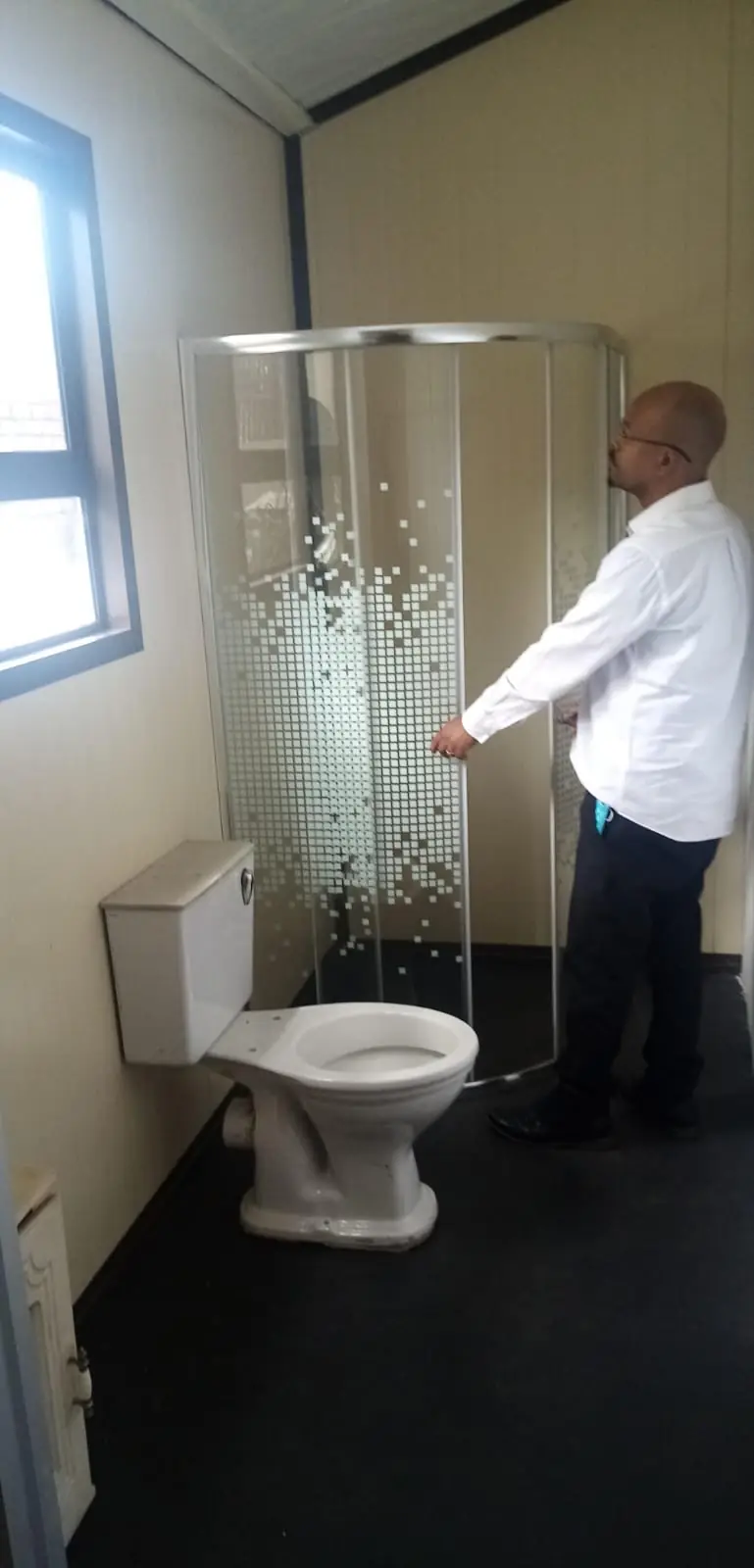
A bathroom that works — not a promise for later
Pilot figures are being finalised — ask us for the current numbers.
WHY THIS DESIGN
- Off-site manufacture. Quality is controlled in a workshop, not improvised in a yard, and site time drops to days.
- Relocatable. The unit can be lifted and moved, so a family isn't forced to choose between a home and a chance at land.
- Cheaper than brick. Materially below conventional brick-and-mortar construction for the same footprint.
- Repeatable. The same drawing, the same bill of materials, whether it's one unit or a hundred.
- Locally assembled. Assembly work goes to people from the settlement it's being built in.
WHERE WE ARE
Pilot units in Kya Sand
Built, placed and lived in. Photographs on this page are our own units, not a supplier's catalogue.
Costing the repeatable version
Turning what we learned on the pilots into a fixed bill of materials and a per-unit price that holds at volume.
Funding the first block
The stage we're raising for now: a contiguous group of units rather than scattered ones, so the services case can be made properly.
AGAINST THE ALTERNATIVES
The comparison that matters isn't our unit against a suburban house. It's our unit against what the family has today, and against what conventional construction would cost to give them instead. It's also the difference between shelter and dignity — no family should have to measure their home against a sheet of tin.
| Shack (today) | UDRS modular unit | Conventional brick build | |
|---|---|---|---|
| Time to occupancy | Days | Days once delivered | Months |
| Cost per household | Near zero to build, repeatedly rebuilt | RTBC | Materially higher |
| Fire behaviour | Spreads shack to shack | Engineered, non-improvised structure | Resistant |
| Relocatable | Only by demolition | Yes, by design | No |
| Weather & flooding | Leaks, floods, overheats | Sealed, raised, insulated | Good |
| Scales to a settlement | Already has — that's the problem | Yes, same design repeated | Rarely, on cost and land |
Scroll the table sideways to compare →
WHY CORPORATES SHOULD CARE
Shared Value
Aligning with a life-changing mission lets a company meet its ESG (Environmental, Social, Governance) commitments while making a tangible difference — not one or the other.
Community Trust
Partnerships like this build goodwill, strengthen brand reputation, and foster trust with the stakeholders who are watching where a company's money actually goes.
Sustainable Impact
Long-term empowerment reduces dependency, creating healthier communities and stronger markets — the return that keeps paying after the donation is spent.
FOUR WAYS TO COME IN
From a signed CSR programme to a pallet of materials. All four are genuinely useful; the first is the one that changes the trajectory.
FUND THE HOUSING PIPELINE
Capital into the modular housing programme itself — the costing work, the first block of units, and the supply chain that makes the hundredth unit cheaper than the first. Structured to your requirements, with reporting to match.
SPONSOR A HOME
One named unit for one identified family, with the build documented from delivery to handover. The most legible CSR story we have: a family, an address, a before and an after.
CSR & EMPLOYEE DAYS
Employee volunteer days on distributions and builds, co-branded community initiatives, or a drive run through your offices. Good for your people, and we're short of hands every single week.
SUPPLY, TRADES & LOGISTICS
Building materials, transport, warehousing, or your tradespeople for a week. In-kind support goes further here than almost anywhere, because it removes cost we'd otherwise fundraise for.
ACCOUNTABILITY, IN WRITING
START WITH A CONVERSATION
No proposal template, no pitch deck required. Tell us roughly what you're considering and we'll come back with what it would actually buy and what we'd commit to in return.
You send this form
Rough shape only. Budget, timing and constraints are welcome but not required.
We reply within two working days
With costings for what you described and honest answers about what we can and can't deliver.
You come and look
A site visit in Kya Sand before any money moves. We'd rather you saw it than took our word for it.
Partner & investor enquiry
SEE IT FOR YOURSELF
A site visit is the real answer — but if the trip to Kya Sand doesn't fit your calendar yet, here's a walkthrough of the site and a finished unit, narrated on camera.
For those who couldn't make it
DUE DILIGENCE
What a serious partner asks before signing anything.